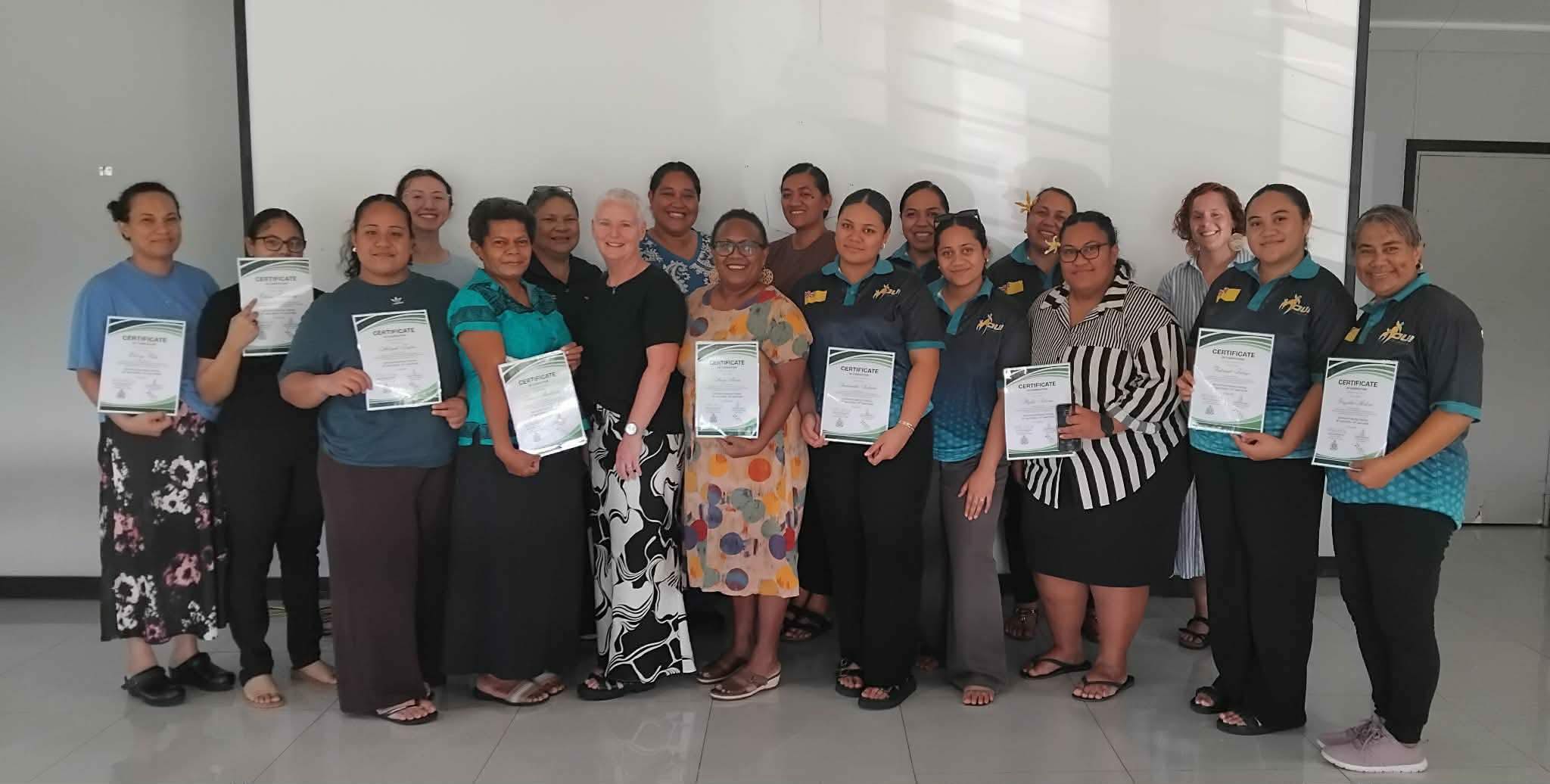
Niue has launched its first organised national cervical screening programme, a major public health milestone that strengthens early detection and prevention of cervical cancer and aligns with global efforts to eliminate the disease. Led by the Niue Department of Health, the programme introduces human papillomavirus (HPV) testing using a simple self‑collection method.
The shift from opportunistic screening to an organised national programme ensures eligible women are offered screening at regular intervals, improving equity, coverage, and health outcomes. Health workers have been trained to support women through the new screening process. Dr Anna-Marie VanderMerwe, visiting specialist gynaecologist from Health New Zealand, will return in May to provide follow‑up care for women who need it.
HPV testing is more sensitive and less invasive than the Pap smear it replaces. Women can collect their own sample using a quick swab at the hospital or at home or choose to have a health worker collect the sample. Most women will only need screening once every five years, reducing barriers to participation and the burden on health services. Samples will be tested locally in Niue using point‑of‑care technology, enabling faster results and timely follow‑up care when required.
The programme is for anyone with a cervix aged 25 to 69 who has ever had sexual contact. HPV is a common virus that causes nearly all cervical cancers. A positive HPV result does not mean someone has cancer; it indicates the need for follow‑up assessment. Screening remains essential even for those who have received the HPV vaccine, as vaccination and screening together provide the strongest protection. Around 350 women in Niue fall within the target age group. Based on experience in New Zealand and other Pacific countries, 13–15 percent are expected to test positive for HPV. Most follow‑up will be managed locally, with only a small number of women expected to require referral overseas for advanced care.
The programme supports the World Health Organization’s global strategy to eliminate cervical cancer, and complements Niue’s existing HPV immunisation programme. For small island nations, organised prevention and early detection reduce avoidable illness, limit the need for complex overseas treatment, and make best use of limited health resources.
The programme is led by the Niue Department of Health, in partnership with the Polynesian Health Corridors programme delivered by the New Zealand Ministry of Health, with support from the New Zealand Ministry of Foreign Affairs and Trade. Additional partners include the Kirby Institute at UNSW Sydney, Health New Zealand’s National Cervical Screening Programme, and the Public Health Division of the Pacific Community. Further support is provided by Te Poutoko Ora a Kiwa – Centre for Pacific and Global Health at Waipapa Taumata Rau, University of Auckland.
Download PDF Version